Spatial and Immersive Computing: The Future of Interaction with the Environment
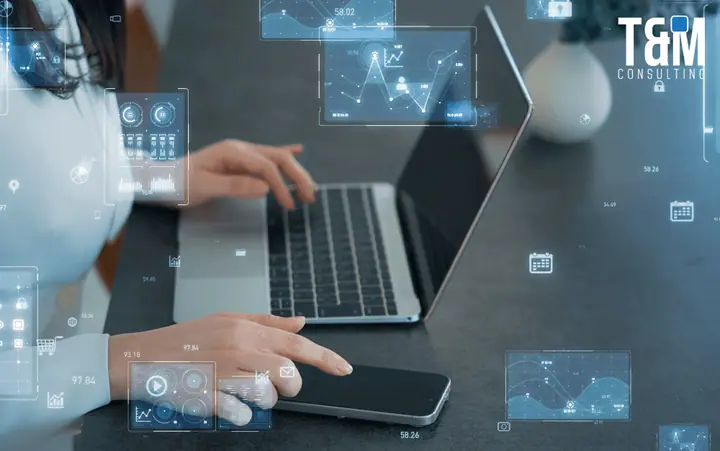
The way we interact with technology is evolving at a rapid pace. Spatial and immersive computing is redefining the way we perceive and manipulate our digital and physical environment, from immersive shopping experiences to ultra-realistic simulations in different industries.
What is Spatial Computing?
Spatial computing combines the physical world with the digital world through advanced technologies such as augmented reality (AR), virtual reality (VR) and artificial intelligence (AI).
This integration allows users to interact with digital environments in real time, creating more intuitive and natural experiences.
In simple terms, instead of interacting with a screen and keyboard, we can manipulate digital objects with our hands, move through virtual spaces, and receive information overlaid on our physical environment.
Applications of Space Computing Today
This technology is revolutionizing multiple sectors, including:
1. Retail and Immersive Shopping Experience
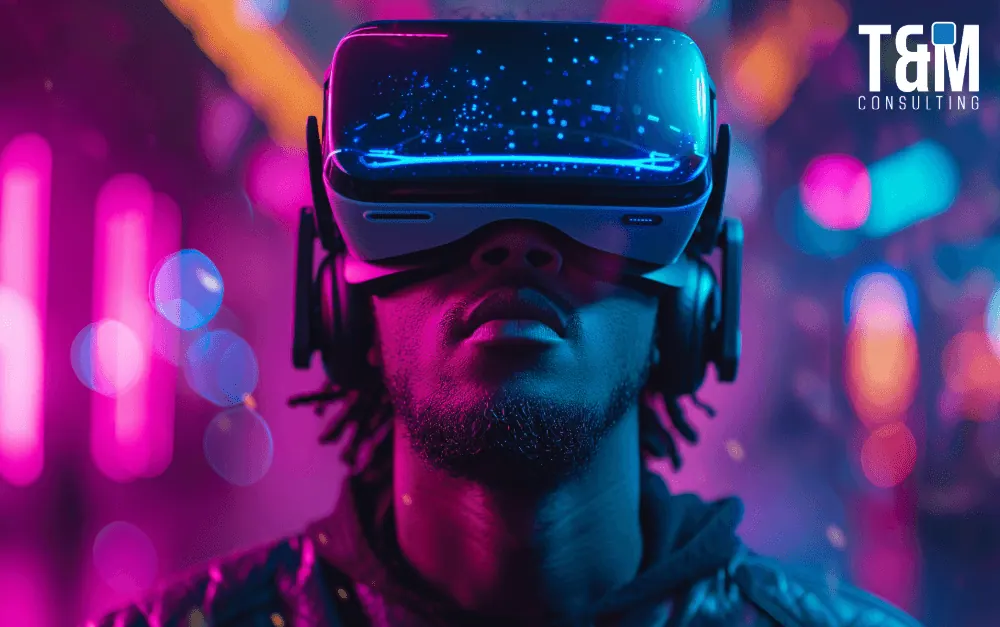
Retailers are leveraging augmented reality to deliver interactive experiences to their customers. With devices such as the Apple Vision Pro or the Meta Quest 3, consumers can visualize how a piece of furniture will look in their home before buying it or try on clothes virtually without having to be in a physical store.
2. Business Simulation and Training
Companies are using spatial computing to train their employees in simulated environments, reducing risks and costs. For example, in the medical sector, surgeons can practice procedures on virtual models before operating on a real patient.
3. Architecture and Design
Architects and designers can explore 3D models of their projects in real time, allowing on-the-fly modifications and improving communication with clients.
4. Entertainment and Video Games
Virtual reality gaming has evolved significantly, offering immersive experiences that go beyond what traditional video games could achieve. 5G, with its low latency and high speed, is enabling these experiences to be even more seamless and realistic.
The Future of Space Computing
As devices and technology infrastructures evolve, space computing will continue to expand into new areas. The combination of artificial intelligence, 5G connectivity and advanced hardware will enable even more natural interactions, driving productivity, entertainment and education to levels never before seen.
The question is not whether this technology will revolutionize the way we work and live, but when and how we will fully integrate it into our day-to-day lives.
Remember to follow us on our networks to learn more about the world of technology and trending topics.