
SAP + Snowflake: What “Zero-Copy” Data Sharing Means
Costly Pipelines and the Data Duplication Trap
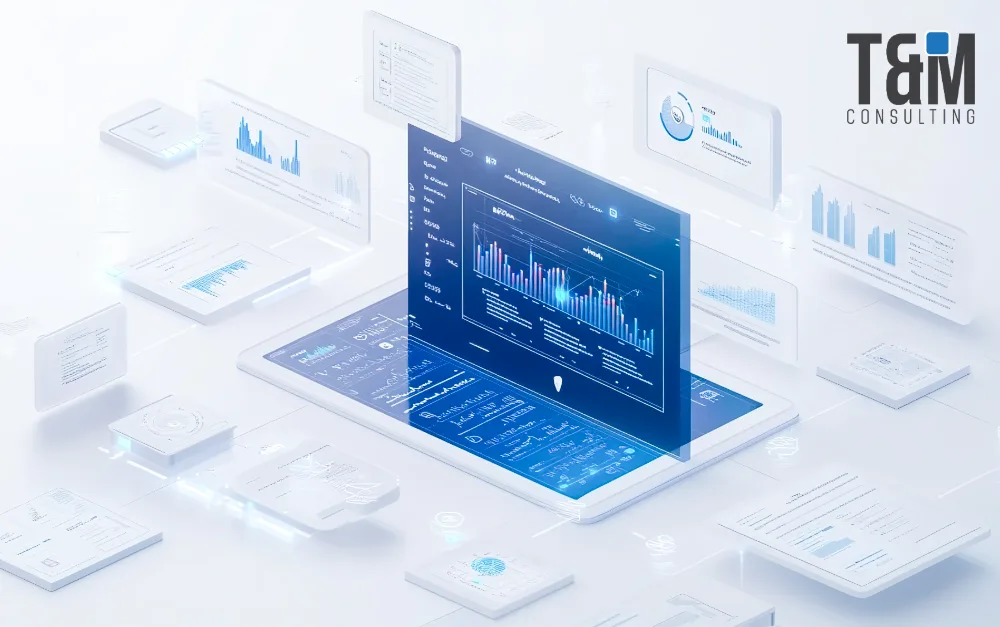
For Chief Information Officers (CIOs), Chief Data Officers (CDOs), and Analytics Managers, gaining a unified view of the business has historically been a complex and costly technical challenge. Critical operational data—finance, inventory, billing, and procurement—resides in SAP ERP, while advanced analytics, machine learning models, and customer behavior data are typically processed on platforms like Snowflake.
The main challenge lies in building and maintaining data integration pipelines (ETL/ELT). To bridge these two worlds, organizations must extract massive volumes of data from SAP, transform it, and load it into Snowflake. This approach creates three major problems:
1. Hidden costs from duplicate storage: Organizations pay to store the same data both in the SAP infrastructure and in cloud analytics storage.
2. Constant maintenance of connectors: Data engineering teams spend up to 40% of their time fixing broken pipelines or adjusting schemas in response to changes in the ERP.
3. Latency and stale data: Analytical reports are generated hours or days late, preventing real-time decision-making regarding inventory or cash flow.
The Financial Inefficiency of the Traditional Extraction Model
Duplicating data for analysis is an unsustainable model in the era of accelerated analytics and AI agents. As organizations attempt to feed SAP data into analytical models, cloud data egress costs and compute consumption for processing daily extracts skyrocket unpredictably.
The official strategic partnership between SAP and Snowflake marks the end of traditional ETL processes. Through the SAP Snowflake extension and the SAP Business Data Collaboration (BDC) Connect for Snowflake solution, both companies have enabled bidirectional data integration using a zero-copy architecture.
Continuing to use traditional extraction architectures has direct consequences:
• Cloud Budget Shock: Paying twice for the retention and processing of the same transactional tables in the cloud.
• Inconsistency in Corporate Truth: Divergent reports between what the financial module in SAP reflects and what the executive dashboards in Snowflake show.
• Governance and Cybersecurity Risks: Multiple copies of sensitive data (customers, prices, payroll) scattered across intermediate repositories without unified encryption policies.
Explanatory Guide: How Does Zero-Copy Data Exchange Work?
To understand the impact of this innovation, it is necessary to compare the traditional data pipeline model with the direct federation paradigm:
Traditional Model → ETL → SAP ERP → ETL Pipeline → Copy to Snowflake (Double Cost) Zero-Copy Model → SAP ERP ⇄ BDC Connection (Zero-Copy) ⇄ Snowflake (Direct Access) |
1. What is “Zero-Copy” data sharing?
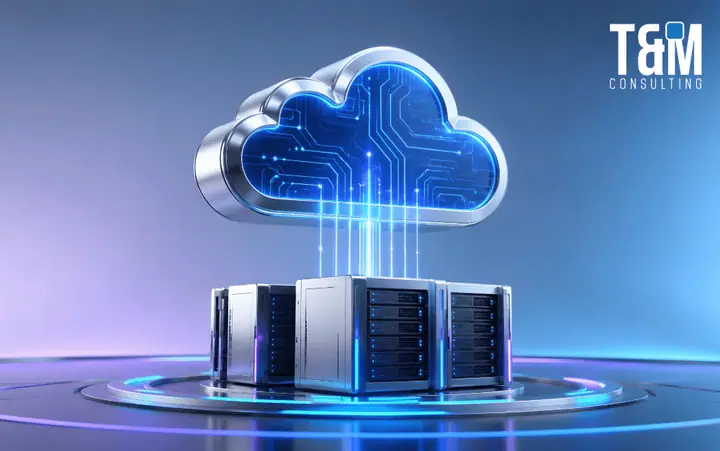
Zero-Copy is an integration architecture that allows Snowflake to query, analyze, and combine data stored in SAP directly and in real time, without the need to copy, move, or duplicate the data.
Using open table format standards (such as Apache Iceberg) and federation layers in SAP Datasphere / BDC, Snowflake accesses the full SAP semantics (field definitions, business relationships, and financial context) as if the data were natively hosted on its own platform.
2. Comparison Matrix: ETL Pipeline vs. Zero-Copy Integration
Criterion | Traditional Architecture (ETL/ELT) | Zero-Copy Architecture (SAP + Snowflake) |
Data Copying | Complete duplication of tables in the cloud. | Zero duplication. Data is read from the source. |
Latency | Periodic batches (hours or days). | Real-time access to the current state of the ERP. |
Governance and Permissions | Permissions must be reconfigured in Snowflake. | Inherits SAP’s security policies and roles. |
Storage Cost | High (Paid in SAP/Azure + Snowflake). | Optimized (Storage is paid for only once). |
Engineering Effort | Ongoing maintenance of code and pipelines. | Federated connection managed by the partnership. |
Unified Data Architecture with T&M Consulting
At T&M Consulting, with 12 years of experience as B2B technology integrators in Latin America (Monterrey, the Dominican Republic, and Venezuela), we help organizations modernize their data ecosystem, eliminating complexity and optimizing cloud infrastructure costs.
Our comprehensive solution for connecting your SAP and Snowflake environments includes:
• Architecture and Integration on Microsoft Azure: As certified Microsoft Azure and SAP consultants, we design the network, security, and identity infrastructure needed to interconnect SAP Datasphere/S/4HANA with Snowflake environments on the Azure cloud in an ultra-fast and secure manner.
• Clean Core Strategy Implementation: We decouple transactional data layers so that your SAP ERP maintains a standard core, allowing advanced analytics, B2B web portals, and analytical models to query the data through federated layers.
• Cost Governance with C3 Cloud Cost Control: We apply the FinOps methodology and our C3 Cloud Cost Control tool to monitor cloud computing consumption, ensuring that federated queries between SAP and Snowflake run at the lowest possible operational cost.
• Enabling AI Agents on Unified Data: We implement AI agents hosted on Azure that query the combination of SAP transactional data and Snowflake analytics in real time, automating decisions regarding inventory, credit risk, and customer service.
Simplify your data architecture and reduce cloud costs
The SAP–Snowflake partnership marks the beginning of an era where data is queried in real time and without duplication. Turn your systems integration into a competitive advantage.
Eliminate data duplication in your organization: Request a data architecture and integration assessment by emailing our team of specialists at contact@tmconsulting.mx