A look at super-resolution
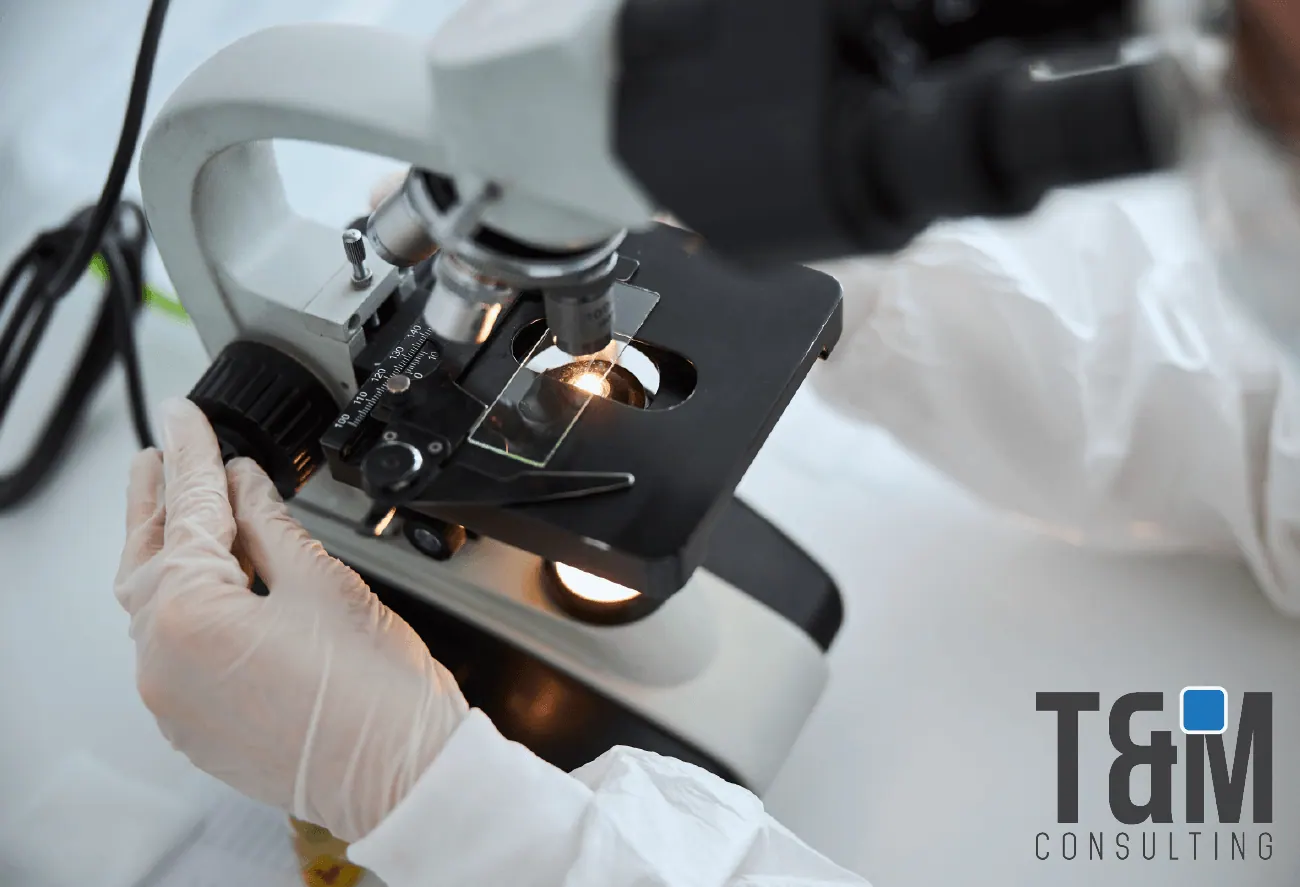
Microscopy is the set of methods for making visible, study objects that, because of their very small size, are outside the range of the normal eye's resolution, and a chemistry professor at UC Berkeley wants to push the known limits of this technology.
The leader of this project is named Ke Xu, who holds a PhD in physical chemistry and focused his studies on nanometric materials, during his research, he became interested in the possibility of applying his knowledge to biology, becoming a postdoctoral researcher in the Harvard laboratory of Xiaowei Zhuang, becoming the inventor of the super-resolution microscopy technique known as STORM.
With this technology, molecules in biological samples can be differentiated at advanced resolution. In addition, Xu has continued to develop new microscopy techniques to analyze the properties of biological and chemical systems, such as acidity, electrical charge, and the speed at which molecules move, at the nanometer and unimolecular scale. Information, which until now could not be accessed by imaging.
These novel insights are not only about the basic biology of life, but also offer researchers new clues on how to design drugs to manipulate molecules.
Since 2013, when he opened his lab at the University of California at Berkeley, he set out to go beyond STORM. He set out to capture the motions, chemical and electrical properties of molecules and show how they interact, which usually requires more than a microscope to measure.
Among the first properties of molecules studied was chemical polarity, a property of molecules that represents the distribution of electrical charges within the molecule, depending on the number and type of bonds it possesses. This property can affect their interaction and behavior, such as their dissolution in water or oil. Although it can be measured on a large scale, Xu's team was able to observe and map the polarity of many molecules at once, inside a living cell.
The team has gone further with their discoveries, such as the development of a flashing laser, much faster than the shutter of the microscope camera, providing a shorter and sharper image of the locations of molecules, presenting a stop-motion video of molecular movements. This breakthrough revealed how molecules tend to move at different speeds in different parts of a cell, how they move, interact and bind.
Among the potentials of this research is medical application, it could help improve understanding of how cells function in specific diseases, and how drugs interact with cells to treat these diseases, not to mention the development of new methods of more precise medical diagnostics and therapy.
To learn more about Ke Xu's work, visit https://vcresearch.berkeley.edu/heising-simons/ke-xu/seeing-super-resolution