Artificial intelligence in space

Artificial intelligence in space
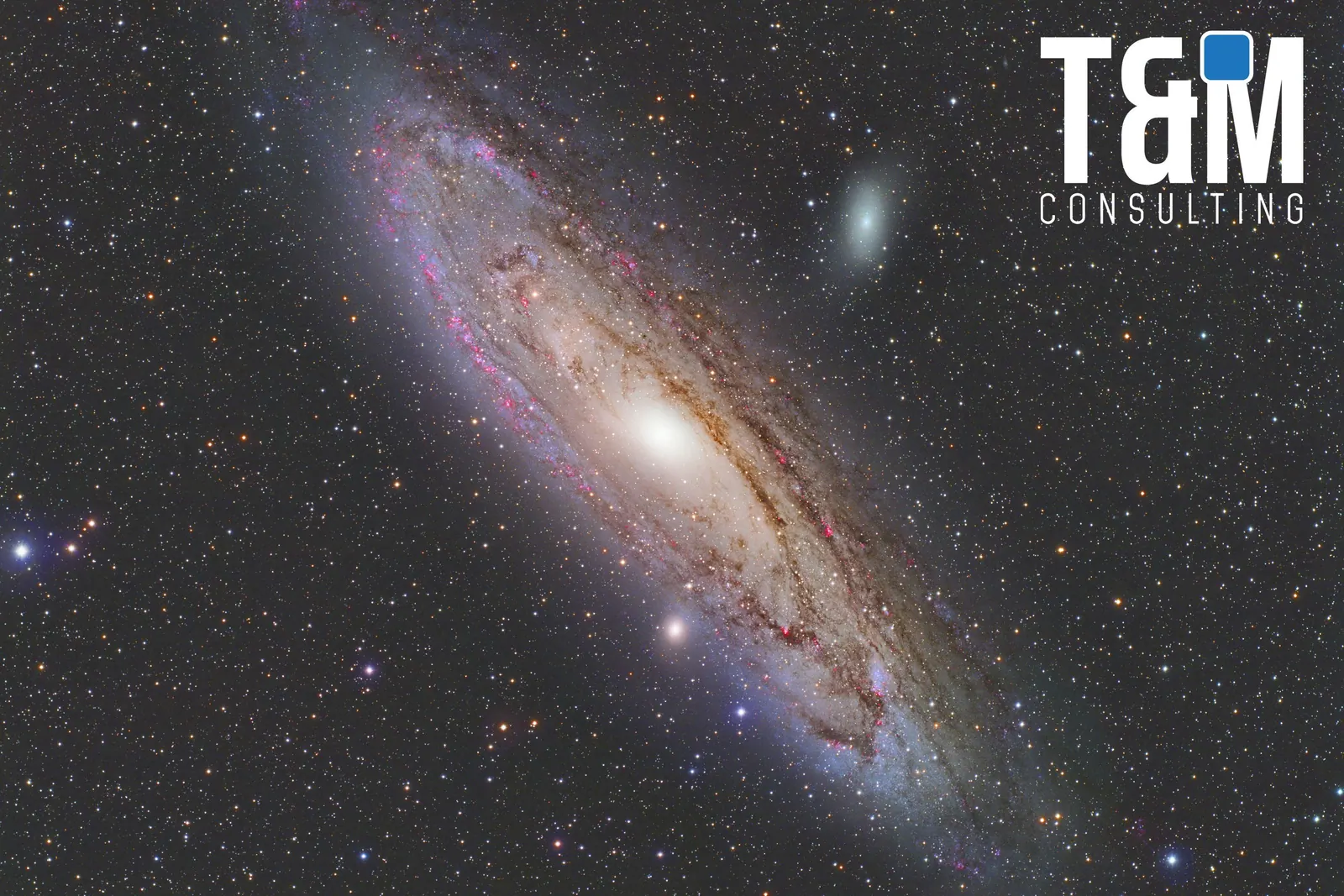
With these applications of artificial intelligence in astronomy and astrophysics, the University of Leeds has managed to discover thousands of stars that are part of the Milky Way.

Thanks to the observations of the Gaia satellite, which belongs to the European Space Agency (ESA) and whose objective is to monitor the firmament to complete the star map. Since it was launched into space in 2013, this satellite has achieved the most complete and extensive map of the Milky Way, an achievement never before achieved, so it is expected to continue obtaining more images and data to continue knowing the space.

Its discovery has been, a catalogue of more than 2000 stars of the type Herbig Ae/Be. This qualification consists of a type of young star composed of between two and eight solar masses.

The Artificial Intelligence tool was applied to debug, scan and process the primary data obtained by Gaia, obtaining a list of 2,226 stars, classified as baby or newborn stars. These results were validated by ground-based observatories located in Chile and Spain, where they compared and measured the light from these stars.

The results showed that the artificial intelligence tool could help to predict which stars could have this qualification, facilitating the work and research that astronomers and astrophysicists do, and allowing them to better understand the origin of the cosmos, and, of our own galaxy.

This new use of Artificial Intelligence will allow us to process space observations and we will probably see similar applications in new projects, just as NASA had commented years ago on the possibility of sending artificial intelligence to the planet Mars.


Keep reading

Related articles

“Shadow AI” in the Corporate World: How to Prevent Leaks of Critical Information Without Hinder Your Team's Productivity
Artificial IntelligenceAugust 11, 2026

“Shadow AI” in the Corporate World: How to Prevent Leaks of Critical Information Without Hinder Your Team's Productivity

The unregulated adoption of Artificial Intelligence by employees is creating a silent security breach in Latin American companies. The use of public platforms to analyze confidential data exposes valuable corporate information. Banning AI is not the solution, as it hinders competitiveness. Discover how to structure secure, governed, and private AI environments that protect your assets without limiting the productivity of your talent.

Read more
Real AI for Real Decisions: How Latin America’s CIOs Are Leading Transformation with AI Agents
Artificial IntelligenceJune 30, 2026

Real AI for Real Decisions: How Latin America’s CIOs Are Leading Transformation with AI Agents

In 2026, the conversation in Latin American boardrooms has taken a definitive turn. We have moved beyond the stage of curiosity about “chat” and entered the era of execution. For the modern CIO, the challenge is no longer to explain what Artificial Intelligence is, but to demonstrate how AI Agents are solving complex business problems in real time.

Read more
Autonomous AI Agents: The Next Step Beyond RPA Automation
Artificial IntelligenceMay 12, 2026

Autonomous AI Agents: The Next Step Beyond RPA Automation

In the race for operational efficiency in 2026, many companies in Mexico and Latin America have reached a “technological plateau.” After years of investing in Robotic Process Automation (RPA) to handle repetitive tasks, Chief Technology Officers and Operations Managers are facing an inescapable reality: rule-based automation is no longer enough to win in a hyper-competitive market.

Read more

Ready for the next step?

Tell us about your challenge and we will build a clear roadmap with you: assessment, proposal and measurable results.

Contact us