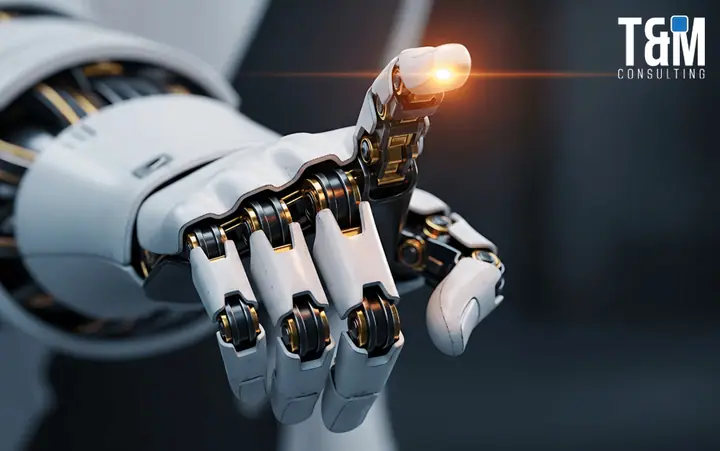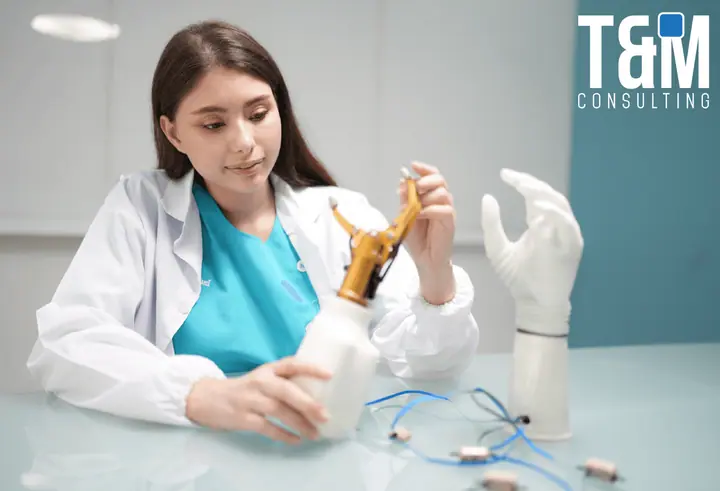

The Robotics and Artificial Intelligence Revolution at MWC 2025
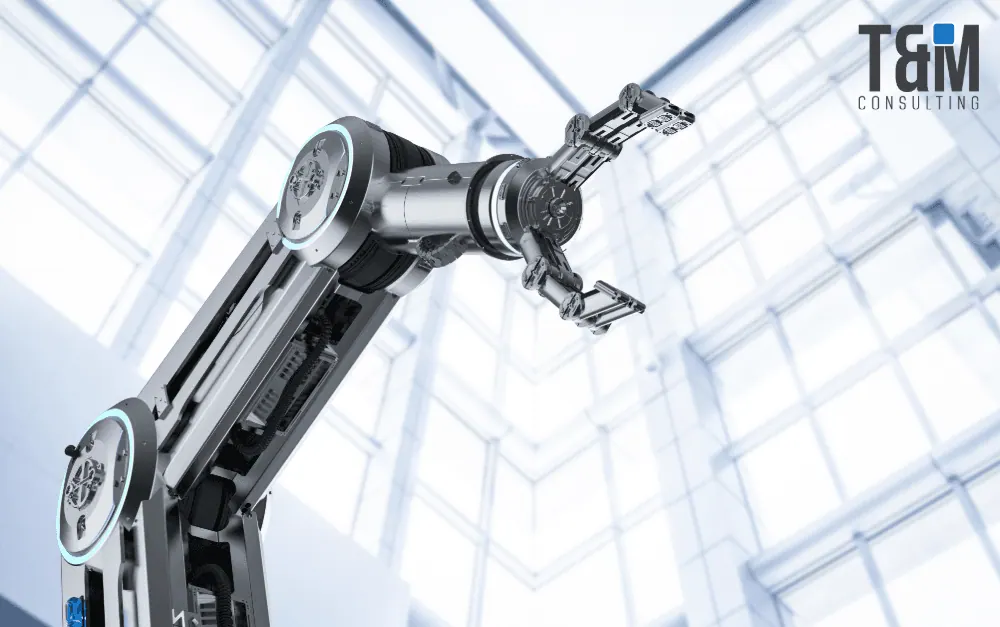
Companies have presented significant advances in robots that are increasingly accessible, autonomous and functional, with applications in a variety of sectors, from logistics to home assistance.
The Expansion of Robotics: Beyond Industry
Traditionally, robots have been limited to industrial environments, used primarily for automating repetitive tasks in factories and warehouses. However, MWC 2025 has shown that robotics is evolving towards greater accessibility and versatility, reaching commercial, domestic and service spaces.
1. More Accessible and Functional Robots
One of the most notable developments at the show was the unveiling of quadruped robots by Unitree Robotics, with prices ranging from $2,722 to $13,000 U.S. dollars. This represents a significant change in the market, allowing small and medium-sized companies access to technologies previously reserved for large corporations.
These robots, designed for mobility in complex terrain, have applications in security, industrial monitoring and logistics. Thanks to the integration of AI, they can adapt to different scenarios without the need for constant supervision.
2. AI in Robotics: Towards Greater Autonomy
Artificial intelligence has been key in the evolution of robotics, allowing devices to become more autonomous and efficient. At MWC, robots were presented that can learn from their environment and improve their performance through machine learning algorithms.
Some of the most innovative features include:
Voice command recognition and response: ideal for home and customer service environments.
Autonomous mapping and navigation: Enables robots to navigate collision-free in complex spaces.
Human interaction: Robot assistants capable of answering questions and providing information in airports, hospitals and stores.
3. Applications in Everyday Life and Industry
Advances in robotics have allowed their use to expand into sectors such as logistics, healthcare and home care. At MWC 2025, solutions designed to improve efficiency in these areas were presented:
Autonomous delivery robots: retail and logistics companies are implementing autonomous vehicles for package and food delivery.
Robotic assistants for the home: Equipped with AI, they can perform basic household tasks, such as cleaning or managing food inventory.
Robots in the healthcare sector: Models designed to assist the elderly or people with reduced mobility, providing medication reminders or help with daily tasks.
The Future of Robotics and AI
MWC 2025 made it clear that the convergence between robotics and artificial intelligence will shape the future of technology. As costs decrease and AI processing power improves, we will see greater integration of these devices into everyday life.
However, challenges also arise, such as the regulation of AI, data privacy and the need to establish ethical standards for its use. As we move towards a more automated world, it will be crucial to find a balance between innovation and technological responsibility.
Mobile World Congress 2025 has shown that robots and artificial intelligence are redefining the way we interact with technology. From enterprise solutions to devices designed to improve quality of life, robotics is booming and its impact will be increasingly significant in the near future.
If your company is looking to adopt new technologies to optimize processes, TM Consulting can help you implement innovative solutions tailored to the needs of your business. Contact us for more information!
Remember to follow us on our networks to learn more about the world of technology and trending topics.