An artificial intelligence system that detects Alzheimer's with 90% accuracy

An artificial intelligence system that detects Alzheimer's with 90% accuracy
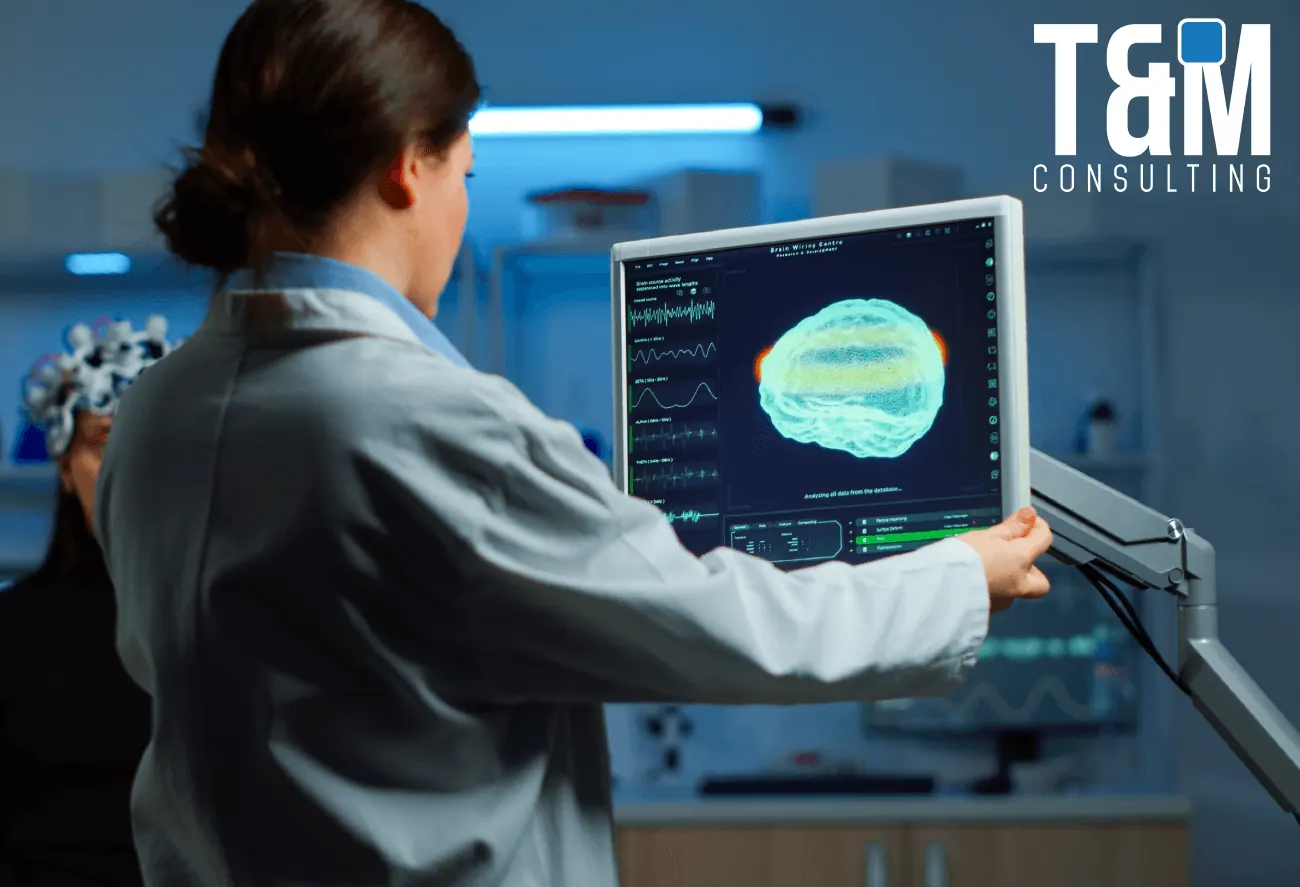
According to a study by Global Burden of Disease, it is estimated that by the year 2050 adults with dementia will exceed 150 million people, and this new artificial intelligence system could revolutionize the detection of Alzheimer's disease.

While it is true, technology has offered many innovations to detect such a disease, including rapid screening tests based on DNA biomarkers to algorithms that detect previous brain changes. This new deep learning model, developed at Massachusetts General Hospital, was able to identify Alzheimer's with a greater than 90% accuracy rate.

To train this deep learning model, the team used images from brain scans of more than 10,000 people, both with and without Alzheimer's disease. The system then contrasted the model with real clinical data from diagnoses of the neurodegenerative disease. The deep learning model was able to identify Alzheimer's with an accuracy rate of 90.2%, which is approximately more than 5% compared to simpler AI models that did not employ deep learning.

"This is one of the only studies that used routinely collected brain MRI scans to try to detect dementia," commented Matthew Leming, a researcher at Massachusetts General Hospital and lead author of the study.

Achieving a diagnosis with the highest rate of accuracy is the goal of all studies developed to date, according to a 2017 study of more than 900 people revealed that as many as one in four Alzheimer's patients had been misdiagnosed, due to certain symptoms, patients may be diagnosed with other disorders such as frontotemporal dementia, so Alzheimer's progresses dramatically or they are medicated with inadequate treatments.

During 2022, it was determined that artificial intelligence systems technology is promising in fields such as cancer, diabetes, and Alzheimer's diagnosis, so this new system could be of great help to improve the quality of life of diagnosed patients.

You can learn more about this system at the following links:

https://www.alzint.org/about/dementia-facts-figures/dementia-statistics/
https://fortune.com/2023/03/06/artificial-intelligence-deep-learning-could-improve-alzheimers-diagnosis/

https://www.ncbi.nlm.nih.gov/pmc/articles/PMC8754556/

Keep reading

Related articles

“Shadow AI” in the Corporate World: How to Prevent Leaks of Critical Information Without Hinder Your Team's Productivity
Artificial IntelligenceAugust 11, 2026

“Shadow AI” in the Corporate World: How to Prevent Leaks of Critical Information Without Hinder Your Team's Productivity

The unregulated adoption of Artificial Intelligence by employees is creating a silent security breach in Latin American companies. The use of public platforms to analyze confidential data exposes valuable corporate information. Banning AI is not the solution, as it hinders competitiveness. Discover how to structure secure, governed, and private AI environments that protect your assets without limiting the productivity of your talent.

Read more
Real AI for Real Decisions: How Latin America’s CIOs Are Leading Transformation with AI Agents
Artificial IntelligenceJune 30, 2026

Real AI for Real Decisions: How Latin America’s CIOs Are Leading Transformation with AI Agents

In 2026, the conversation in Latin American boardrooms has taken a definitive turn. We have moved beyond the stage of curiosity about “chat” and entered the era of execution. For the modern CIO, the challenge is no longer to explain what Artificial Intelligence is, but to demonstrate how AI Agents are solving complex business problems in real time.

Read more
Autonomous AI Agents: The Next Step Beyond RPA Automation
Artificial IntelligenceMay 12, 2026

Autonomous AI Agents: The Next Step Beyond RPA Automation

In the race for operational efficiency in 2026, many companies in Mexico and Latin America have reached a “technological plateau.” After years of investing in Robotic Process Automation (RPA) to handle repetitive tasks, Chief Technology Officers and Operations Managers are facing an inescapable reality: rule-based automation is no longer enough to win in a hyper-competitive market.

Read more

Ready for the next step?

Tell us about your challenge and we will build a clear roadmap with you: assessment, proposal and measurable results.

Contact us