
Accurate heart attack diagnostics using a machine learning algorithm

Accurate heart attack diagnostics using a machine learning algorithm

The study comes to us from the United Kingdom, a group of researchers have resorted to artificial intelligence (AI) to develop a machine learning algorithm that allows doctors to diagnose heart attacks quickly and accurately, managing to reduce the time needed to make a diagnosis, providing patients with more efficient and effective treatments.

The algorithm was named the Collaboration for the Diagnosis and Evaluation of Acute Coronary Syndrome (CoDE-ACS) and is based on the analysis of data collected from 10,286 patients from six different countries who had possible heart attacks in their medical history.

Traditional methods focus on measuring troponin protein levels in the blood, unlike CoDE-ACS which uses a broader and more integrative approach, in addition to troponin levels, incorporating key variables such as gender, age, electrocardiogram (ECG) findings and patient medical history, to estimate the likelihood of a heart attack having occurred in an individual patient.

The results are quite satisfactory CoDE-ACS can rule out a heart attack in more than twice as many patients, with an accuracy of 99.6%, effectively identifying those patients who have not suffered a heart attack, prevented unnecessary hospital admissions and optimized emergency care.

Moreover, the algorithm demonstrated accurate predictive ability in different subgroups of patients, including men and women, the elderly, and those with renal problems or who arrived early at the hospital after the onset of symptoms.

The researchers have demonstrated the potential for CoDE-ACS to transform emergency medical care by being an effective and efficient tool for early diagnosis of heart attacks. By ruling out cases of heart attack in patients who have not suffered a heart attack, it would avoid unnecessary admissions and allow physicians to make informed decisions about appropriate treatment, improving patients' quality of life.

It only remains to wait for its mass commercialization, as it could be a tool of great value for medicine and cardiac patients.

To read more, please visit:
https://www.bhf.org.uk/what-we-do/news-from-the-bhf/news-archive/2023/may/ai-could-improve-heart-attack-diagnosis

https://www.nature.com/articles/s41591-023-02325-4

Keep reading

Related articles

“Shadow AI” in the Corporate World: How to Prevent Leaks of Critical Information Without Hinder Your Team's Productivity
Artificial IntelligenceAugust 11, 2026

“Shadow AI” in the Corporate World: How to Prevent Leaks of Critical Information Without Hinder Your Team's Productivity

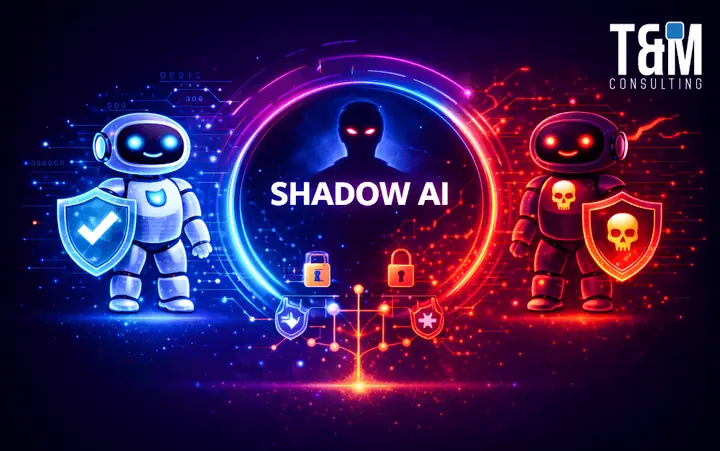
The unregulated adoption of Artificial Intelligence by employees is creating a silent security breach in Latin American companies. The use of public platforms to analyze confidential data exposes valuable corporate information. Banning AI is not the solution, as it hinders competitiveness. Discover how to structure secure, governed, and private AI environments that protect your assets without limiting the productivity of your talent.

Read more
Real AI for Real Decisions: How Latin America’s CIOs Are Leading Transformation with AI Agents
Artificial IntelligenceJune 30, 2026

Real AI for Real Decisions: How Latin America’s CIOs Are Leading Transformation with AI Agents

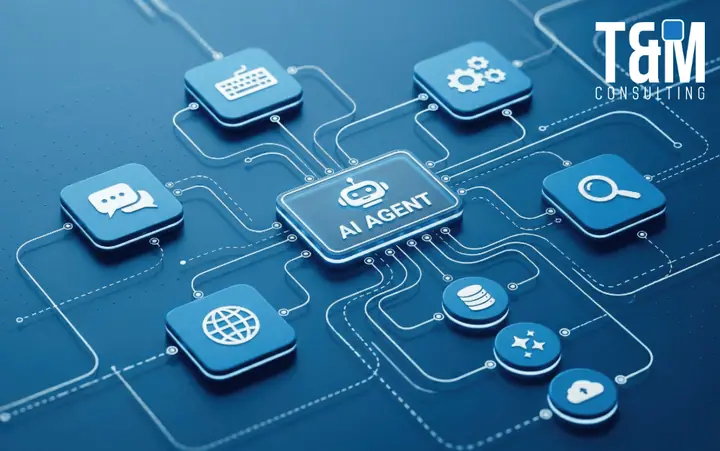
In 2026, the conversation in Latin American boardrooms has taken a definitive turn. We have moved beyond the stage of curiosity about “chat” and entered the era of execution. For the modern CIO, the challenge is no longer to explain what Artificial Intelligence is, but to demonstrate how AI Agents are solving complex business problems in real time.

Read more
Autonomous AI Agents: The Next Step Beyond RPA Automation
Artificial IntelligenceMay 12, 2026

Autonomous AI Agents: The Next Step Beyond RPA Automation

In the race for operational efficiency in 2026, many companies in Mexico and Latin America have reached a “technological plateau.” After years of investing in Robotic Process Automation (RPA) to handle repetitive tasks, Chief Technology Officers and Operations Managers are facing an inescapable reality: rule-based automation is no longer enough to win in a hyper-competitive market.

Read more

Ready for the next step?

Tell us about your challenge and we will build a clear roadmap with you: assessment, proposal and measurable results.

Contact us